

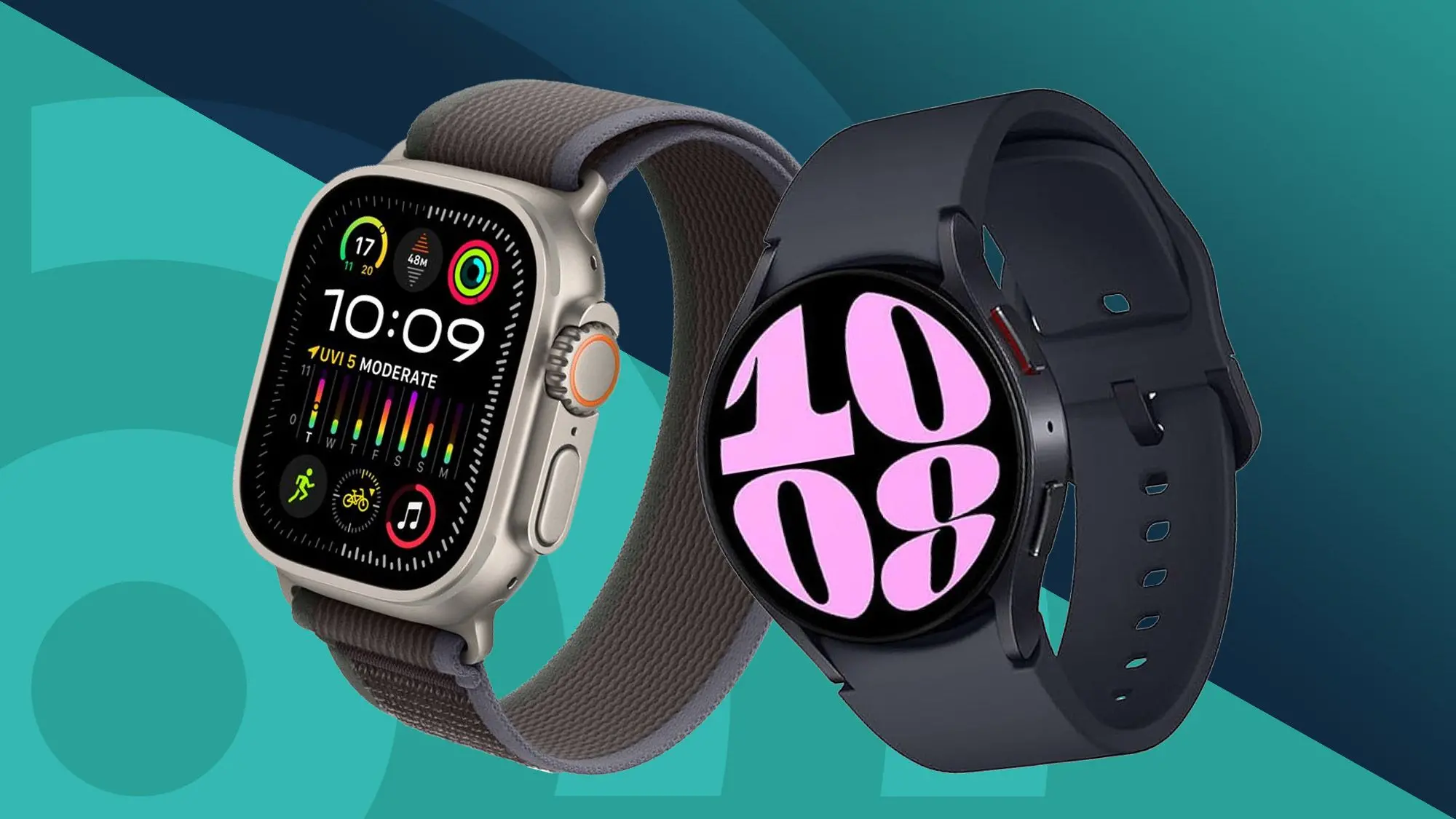
The smartwatch has evolved far beyond a simple notification mirror for your smartphone. In 2026, these wearable devices serve as comprehensive health monitors, personal fitness coaches, communication hubs, and even digital wallets. With a growing array of sensors, longer battery life, and more sophisticated software, choosing the right smartwatch can be overwhelming. This guide breaks down the top-tier wearable tech and fitness trackers available in 2026, helping you decide which one best fits your needs, whether you're a marathon runner, a busy professional, or someone just starting their wellness journey.
For 2026, major tech manufacturers have doubled down on accuracy, durability, and user experience. Advanced algorithms now provide deeper insights into recovery, sleep quality, and even stress levels. Meanwhile, integration with smart home devices and contactless payment systems has become seamless. Below, we explore the market-leading devices, their standout features, and what to look for before making a purchase.
Why Smartwatches Have Become Essential
Once considered a luxury gadget, the smartwatch has become a daily essential for many. The ability to glance at your wrist to check messages, control music, or track your heart rate during a workout saves time and keeps you present. In 2026, these devices are also increasingly central to health management. Many models now offer electrocardiograms (ECG), blood oxygen monitoring, and even temperature sensing. For people with chronic conditions, these tools can provide valuable data to share with healthcare providers.
Furthermore, the social aspect of fitness tracking has grown. Wearable tech now includes advanced community features, allowing friends to compete in challenges, share achievements, and motivate each other. This gamification pushes users to become more active, transforming exercise into a rewarding experience. As medical research increasingly validates consumer wearable data, expect these devices to play an even larger role in preventive healthcare.
Top Smartwatch Picks for 2026
1. Apple Watch Ultra 3
The Apple Watch Ultra 3 remains the gold standard for athletes and adventurers. With its rugged titanium case, extended battery life, and an ultra-bright display, it is built to withstand tough conditions. New sensors in 2026 include enhanced depth and water temperature tracking for divers, as well as improved satellite connectivity for off-grid navigation. The device also supports cellular so you can stay reachable without your iPhone.
- Display: 1.9-inch OLED flat, always-on, up to 3,000 nits brightness.
- Battery: Up to 36 hours normal use, 72 hours in low-power mode.
- Key Features: Precision dual-frequency GPS, ECG, SpO2, wrist temperature, crash detection, action button.
2. Samsung Galaxy Watch 7 Pro
Samsung's flagship watch is the perfect companion for Android users. The Galaxy Watch 7 Pro features a circular Super AMOLED display, a rotating bezel for easy navigation, and comprehensive sleep coaching powered by AI. Its new BioActive Sensor uses multiple wavelengths of light to measure body composition, including muscle, fat, and water percentages. The integration with Samsung Health is second to none, offering personalized insights and recovery scores.
- Display: 1.5-inch AMOLED, always-on, sapphire crystal glass.
- Battery: Up to 48 hours on a single charge.
- Key Features: Body composition analysis, sleep apnea detection, blood pressure monitoring (in select regions), LTE, fast charging.
3. Garmin Fenix 8
If you're a serious endurance athlete, the Garmin Fenix 8 is hard to beat. It is packed with every kind of navigation, training, and recovery metric imaginable. The 2026 model adds solar charging capabilities that extend battery life indefinitely under certain conditions. With preloaded topo maps, multi-band GPS, and a new flashlight that auto-adjusts brightness, it's designed for multi-day expeditions. The rugged design meets MIL-STD standards, and the bezel is made from titanium or stainless steel.
- Display: 1.4-inch AMOLED or MIP (versions), 454x454 resolution.
- Battery: Up to 20 days smartwatch mode (solar-assisted), up to 80 hours GPS mode.
- Key Features: On-wrist running power, stamina insights, hill score, weather forecasts, smart notifications.
4. Google Pixel Watch 3
The Pixel Watch 3 continues its design-focused approach with a smooth, timeless circular shape. It runs Wear OS 5 and offers deep integration with Google services like Assistant, Maps, and Wallet. New for 2026 is a larger battery and a thinner bezel, making the screen easier to see. The fitness tracking software is now on par with dedicated sports watches, including automatic workout detection and personalized running plans from Fitbit.
- Display: 1.3-inch LTPO AMOLED, 320 ppi, peak brightness 2,000 nits.
- Battery: Up to 36 hours with always-on display off.
- Key Features: Fitbit integration, ECG, fall detection, stress tracking, Google ecosystem, wireless charging.
5. Garmin Venu 3
For those who want a brighter, more colorful screen and everyday health features, the Garmin Venu 3 is the top choice. It includes an AMOLED display, built-in speaker and microphone for making calls, and a robust suite of wellness features. In 2026, Garmin updated it with new sleep coaching and a "Body Battery" feature that helps you manage your energy levels throughout the day. It's an excellent middle ground between a lifestyle smartwatch and a serious fitness device.
- Display: 1.4-inch AMOLED, 454x454 resolution.
- Battery: Up to 14 days smartwatch mode, 26 hours GPS mode.
- Key Features: Advanced sleep monitoring, stress management, wheelchair mode, menstrual cycle tracking.
What to Consider When Choosing a Smartwatch
Operating System & Ecosystem
The software experience is often the deciding factor. The Apple Watch is only compatible with iPhones, so it's not an option for Android users. Samsung's watches and Wear OS devices work well with Android phones, but many exclude iPhones. If you own a specific brand's smartphone, you'll generally get the most seamless experience with that brand's watch. However, several fitness-focused watches like Garmin and Polar work with both Android and iOS, offering extensive sports tracking.
Health & Fitness Tracking
Look for watches with sensors that match your goals. Heart rate tracking is standard at this point, but advanced optical sensors with more accuracy are worth paying extra for. ECG and blood oxygen are available on most premium watches. Sleep tracking has improved drastically in 2026, with new metrics that assess sleep stages and provide a "sleep score" to help you adjust your habits. If you're particularly focused on recovery, Garmin and Oura are leaders, though Oura is a ring, not a watch.
Battery Life
Battery life ranges from 24 hours to several weeks. Big, bright AMOLED displays and constant LTE connectivity drain batteries quickly. The Apple Watch Ultra and Samsung Galaxy Watch Pro aim for two to three days of moderate use. Garmin and other sports-focused brands prioritize longevity, sometimes lasting up to two weeks or more. If you travel often and dislike carrying chargers, a multi-day battery life is a must.
Design & Durability
Always consider your lifestyle. If you work in an office, a sleek, minimal design might be perfect. If you're a diver, climber, or runner in harsh conditions, look for military-grade durability, water resistance, and scratch-proof sapphire glass. Many watches now come in multiple sizes and materials, including aluminum, steel, and titanium. You can also select from a wide range of interchangeable bands to match your outfit or activity.
Advanced Features
Modern smartwatches do more than track steps. Built-in GPS is essential for runners and cyclists because it lets you leave your phone behind. NFC contactless payments allow you to leave your wallet at home. Music storage and streaming (via Spotify or YouTube Music) are also popular features. Additionally, safety tools like fall detection and emergency SOS are invaluable for older users or those who exercise alone.
The Role of AI in Wearable Tech
In 2026, artificial intelligence is changing what smartwatches can do. Instead of simply displaying raw metrics, these devices now analyze your behavior, recognize patterns, and offer actionable advice. For example, the Samsung Galaxy Watch 7 Pro uses AI to assess your sleep quality and provide a tailored "AI sleep coaching" program. Similarly, Garmin's new "Trainer" uses AI to adjust your daily workout recommendations based on your recent performance and recovery. These smart features turn the watch into an intelligent coach that adapts to your unique body rather than a static tracker.
Moreover, AI-driven insights are moving into the realm of early disease detection. Researchers are exploring whether wearable data can predict conditions like diabetes, high blood pressure, or even arrhythmias days before clinical symptoms appear. While these features are still evolving, the potential is enormous. The next generation of smartwatches will likely include even more healthcare-focused sensors, such as continuous glucose monitors and blood pressure cuffs.
Price Range: How Much Should You Spend?
Smartwatch prices vary dramatically in 2026. Entry-level fitness bands start around $99, but they won't offer many "smart" features like calling or music. Full-featured smartwatches typically range from $250 to $800. The Apple Watch Series 9 or SE give you a great balance of features and price if you're in the Apple ecosystem. The Galaxy Watch series has options in the $300-$500 range. If you are a demanding athlete, the top-tier rugged models from Garmin can exceed $1,200. It's important to set a budget but also consider that a quality smartwatch can last several years, making it a worthwhile investment.
Watch out for hidden costs: many advanced features require a subscription. Garmin's premium training analytics, Fitbit Premium, and some health metrics are behind paywalls. Also, cellular models may require a monthly data plan. Be sure to check whether the watch's features require a third-party subscription before you buy.
How to Sell Your Old Smartwatch
If you plan to upgrade, selling your old smartwatch can offset the cost. Websites like Swappa, eBay, and Facebook Marketplace allow you to list your device. Make sure to wipe your personal data from the watch before selling and take high-quality photos. A well-maintained smartwatch with original packaging can sell for up to 60% of its original price, depending on the model. Alternatively, many manufacturers offer trade-in credits when you purchase a new model.
To keep your smartwatch in good condition, clean it regularly with a soft cloth and remove any sweat or dirt. Avoid exposing it to extreme heat or pressure. A screen protector is recommended to prevent scratches. With proper care, your smartwatch will serve you reliably for years.
Future Trends: What to Expect Next
Looking forward, smartwatches will continue to blur the line between fashion accessory and medical device. Rumors point to breakthrough blood pressure monitoring with smart rings and watches using new sensor technologies. Also, battery innovation is progressing; expect more models to use solid-state batteries, which charge in seconds and last much longer.
Another promising trend is the integration of eSIM technology for full cellular connectivity across all carriers, allowing you to leave your smartphone at home entirely. Additionally, augmented reality (AR) overlays on smartwatches—like turn-by-turn navigation projected onto your wrist—are being developed. The future is exciting, and the devices available in 2026 are just the beginning of this wearable revolution.
When you decide to buy a smartwatch, visit your local electronics store to test the watch on your wrist. Battery life claims differ, and comfort is personal. Always read updated reviews and compare the latest models. Your perfect smartwatch is out there—whether it's the best in fitness tracking, communication, or overall versatility.
Source:TechRadar News