

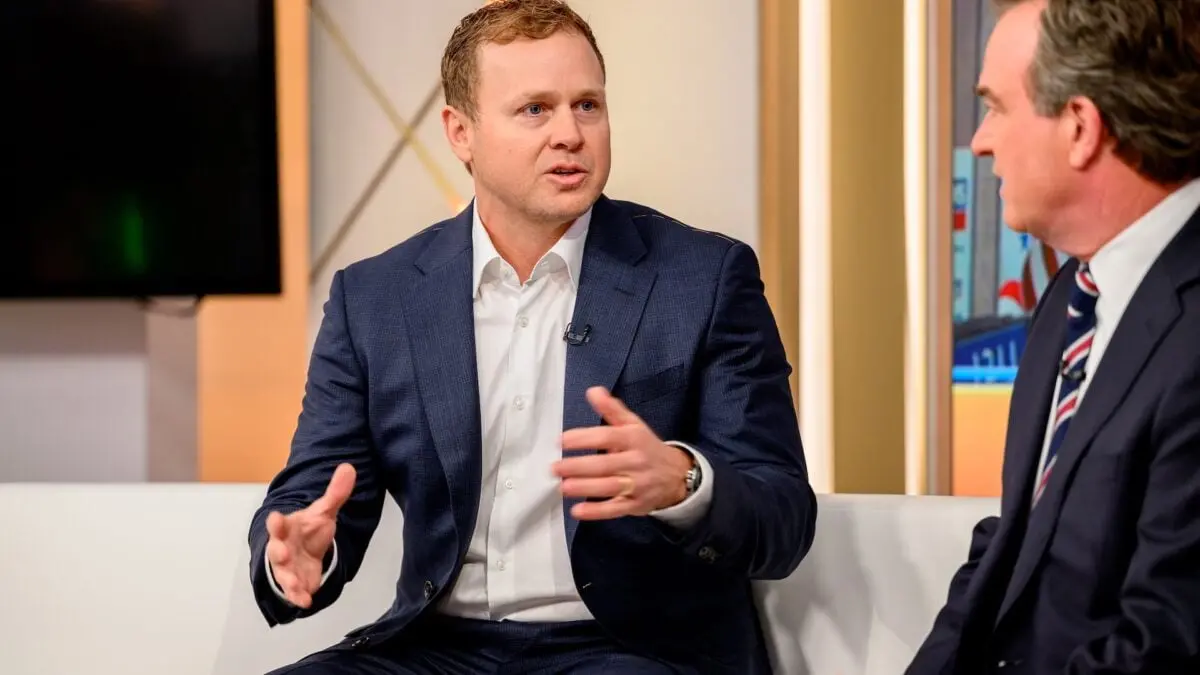
The prediction market Kalshi took action on Friday to distance itself from conspiracy theories surrounding the Los Angeles mayoral election. According to a report from Semafor, Kalshi requested that several influencers remove sponsored posts that sowed doubt about the integrity of the election process. The posts have since been taken down at the company's request. However, similar sponsored content associated with Polymarket, a competitor, appears to remain online, leaving questions about its policies unanswered.
The LA Mayoral Election and the 'Red Mirage'
The controversy stems from the June 2 primary in Los Angeles, where Republican candidate Spencer Pratt initially appeared to hold a strong lead. Pratt, a former reality TV villain on "The Hills," ran as a conservative in a deep-blue city. On election night, he secured second place, seemingly setting up a runoff with the leading progressive candidate. However, as mail-in ballots continued to be counted over subsequent days, Pratt's lead began to erode. By June 5, progressive candidate Nithya Raman had surged, with prediction markets giving her a 95% chance of advancing to the general election, compared to Pratt's 6%.
This pattern is familiar to California voters. The state's slow vote-counting process, often taking weeks, has led to a phenomenon known affectionately as the "red mirage." Because Republicans tend to vote in person on election day, their votes are counted first, giving an initial impression of a Republican surge. As mail-in ballots—which are more likely to be cast by Democrats—are tallied later, the results shift leftward. This has fueled suspicion among some conservatives that the process is flawed, though no evidence of tampering has emerged.
Influencer Posts and Paid Partnerships
Right-wing influencers capitalized on this uncertainty. On June 4, Kangmin Lee posted on X with a paid partnership tag, saying, "Notice how the mail-in ballots that come in last second always end up voting Democrat. Totally a coincidence, nothing to see here." His post embedded a Polymarket prediction market graphic. Similarly, Benny Johnson, another conservative commentator, wrote with a paid sponsorship: "The public has so little faith in California's elections that they just assume Democrats are going to dramatically rig it with questionable ballot counting DAYS after Election Day."
Kalshi's sponsored posts went further. Influencer David J. Freeman, known as Gunther Eagleman on X, posted with a Kalshi embed: "Is CA cheating to get Spencer Pratt out?" One approving reply read, "Yes they are cheating." Another influencer, Matt Van Swol, wrote: "I need someone to explain to me how EVERY SINGLE VOTE that comes in 'late' to California ... nearly 100% of them ... Go to ANYONE but Spencer Pratt." These posts were deleted after Kalshi requested removals.
Kalshi's Response and Polymarket's Silence
Kalshi spokesperson Dani Lever told Semafor that the company asked influencers to take down the posts because they violated its affiliate marketing policies. "We have asked these to be taken down, as they violate our affiliate marketing policies," Lever said. The company appears keen to avoid being associated with election misinformation that could damage its credibility. The prediction market has invested heavily in influencer partnerships to drive user engagement, but the recent controversy highlights the risks of such strategies.
Polymarket, on the other hand, has not commented on the issue. Semafor noted that Polymarket did not respond to requests for clarification about its policies regarding sponsored conspiracy content. Politico reported on Friday that a Polymarket executive sent at least $350,000 to influencers via a personal PayPal account over the past year and a half. This suggests a significant influencer program, yet the company has remained silent on whether similar posts violate its terms. Gizmodo also reached out to Polymarket but received no response.
Broader Implications for Prediction Markets
The incident raises important questions about the role of prediction markets in public discourse. Platforms like Kalshi and Polymarket allow users to bet on real-world outcomes, from elections to sports. They have increasingly turned to influencers to attract new users and create buzz. However, when influencers use these platforms to spread unsubstantiated claims, the credibility of both the markets and the election process can suffer.
Election conspiracy theories are not unique to California. Across the United States, delayed results in states like Arizona and Nevada have fueled similar narratives. The slow counting of mail-in ballots—often due to state laws that prevent processing until election day—has become a flashpoint for distrust. Prediction markets, by offering real-time odds that shift with each batch of votes, can inadvertently amplify these tensions. A candidate's falling odds on Polymarket, for instance, may be interpreted by some as evidence of fraud rather than a natural consequence of vote tallying.
Kalshi's decision to remove the posts is a step toward addressing these concerns. Influencer marketing contracts often lack clarity on what constitutes permissible content during elections. Kalshi's policy prohibits posts that "sow doubt about the integrity of elections," but enforcement has been inconsistent. The company now faces the challenge of balancing free expression with responsible brand oversight.
Meanwhile, the LA mayoral race continues to unfold. As of early June, Raman's odds of advancing are near certain, while Pratt has publicly stated he will leave Los Angeles if he does not win. The final certified results are expected in mid-July. Until then, the debate over the red mirage—and the role of prediction markets in fueling it—will likely persist.
For now, Kalshi has taken the most proactive stance among the two major prediction markets. Its competitors, particularly Polymarket, have yet to clarify their policies. As the 2026 midterm elections approach and prediction markets gain popularity, the industry may need to develop clearer guidelines to prevent influencer-driven misinformation. The line between promoting a product and promoting conspiracy theories is thin, and crossing it could invite regulatory scrutiny.
Influencer marketing is a powerful tool, but it requires robust compliance mechanisms. Kalshi's experience serves as a cautionary tale for any platform that relies on third-party endorsements. When influencers inject political conspiracy theories into sponsored content, the brand's reputation can quickly become collateral damage. The LA election controversy may be just the beginning of a larger conversation about accountability in the prediction market ecosystem.
Source:Gizmodo News