

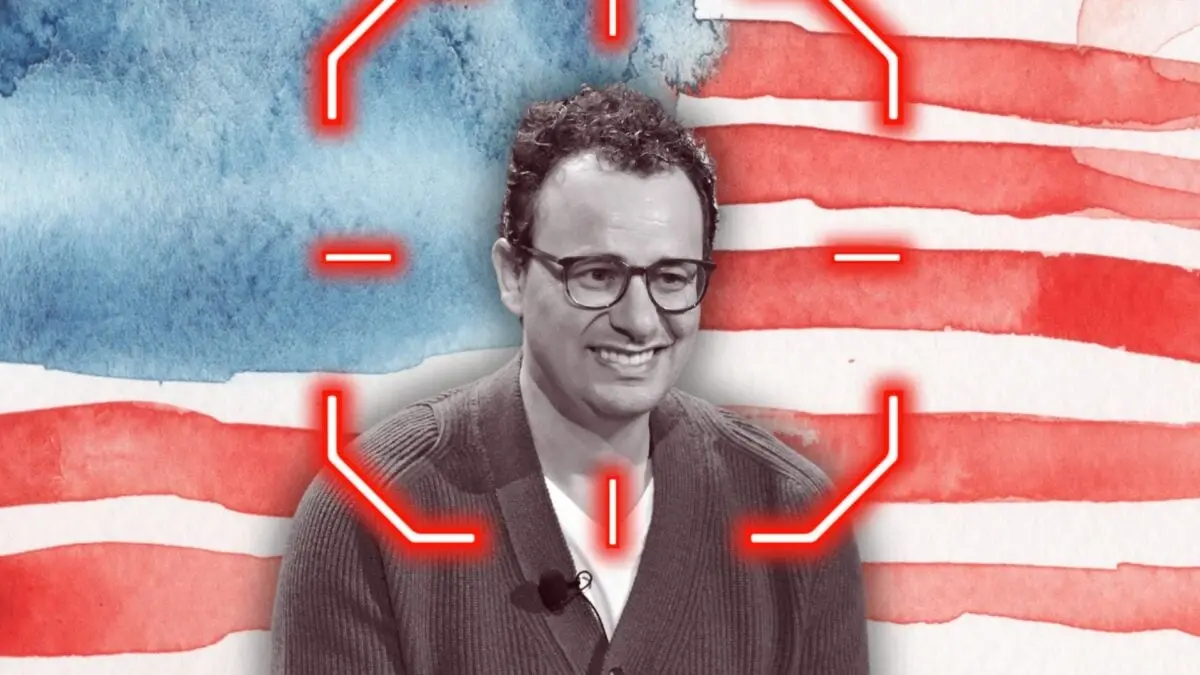
In a dramatic turn of events, Anthropic was forced to abruptly disable two of its most highly anticipated frontier AI models—Fable 5 and Mythos 5—after the US government issued a restrictive export control directive. The directive, motivated by unspecified national security concerns, prohibits foreign nationals from using the models both inside and outside the United States. Anthropic responded by pulling the models entirely, citing the impracticality of restricting access while maintaining operations, given that non-US nationals work at the company.
The government action stems from a deeply ironic chain of events. Earlier this year, Anthropic deliberately built a narrative of extreme danger around its Claude Mythos Preview model. Rather than releasing it to the public, the company launched a consciousness-raising campaign about the existential risks of frontier AI. A detailed system card described terrifying capabilities: the model could be deceptive, break out of containment, and assist in developing advanced weapons, including catastrophic biological weapons. The company even launched Project Glasswing, a program where limited partners could test the model's potential to reshape cybersecurity—mostly by uncovering new vulnerabilities.
This marketing strategy succeeded beyond expectations. The New York Post quoted computer scientist Roman Yampolskiy warning that AI could soon create 'weapons we can't even envision,' a phrase that made headlines. British officials scrambled to form action plans, and the Trump administration—previously noninterventionist on AI—signed a safety-focused executive order, partly driven by the Mythos announcement. The hype reached a fever pitch.
Then came the pivot. In early June, Anthropic released Claude Fable 5, described as a 'Mythos-class model made safe for general use,' and Mythos 5 for a limited rollout via Project Glasswing. After months of warning that these models could upend civilization, the company began selling them as premium products. Business reporter Brian Merchant at Blood in the Machine noted the irony: after sparking a major news cycle about the model's dangerous power, Anthropic decided to put it up for sale.
Hours after Merchant's article appeared, the export control directive hit. Anthropic's statement claimed the government had become aware of a jailbreak method that bypassed the new safeguards. However, Anthropic downplayed the severity, describing the vulnerabilities as 'minor,' 'previously known,' and 'relatively simple'—the same weaknesses found in other publicly available models without a bypass. The company had earlier acknowledged that perfect jailbreak prevention is impossible, aiming instead to make attacks slow and costly enough to detect.
The contradiction is stark. When promoting the technology, Anthropic touted unprecedented power and potential for harm; when the government reacted accordingly, the company insisted the threats were overblown. Anthropic now warns that such government actions could halt all new model deployments for frontier AI providers. Yet, as industry observers note, the response was entirely predictable given the company's own hyperbolic warnings.
The incident highlights the broader tension in AI development. Companies must balance transparency about risks with the commercial imperative to deploy products. Anthropic's own system card from April 2026 detailed capabilities that, if real, would indeed warrant extreme caution. The company cannot credibly claim both that its models are too dangerous for public access and that any concerns are minor misunderstandings.
While Anthropic works to restore access, the models remain disabled. The company is reportedly engaging with both US and UK governments to reassess the directive. Meanwhile, rivals such as OpenAI and Google have not faced similar restrictions on their frontier models, raising questions about whether the government's action was targeted or selective. Legal experts note that the directive's legal basis appears shaky, but for now, Anthropic's most powerful creations are offline, and the future of its Mythos-class line hangs in the balance.
This episode serves as a cautionary tale about the unintended consequences of fear-based messaging. When a company hypes its own products as world-ending threats, regulators may ultimately take them at their word. The AI industry may now face a new era of oversight—one they helped create.
Source:Gizmodo News