

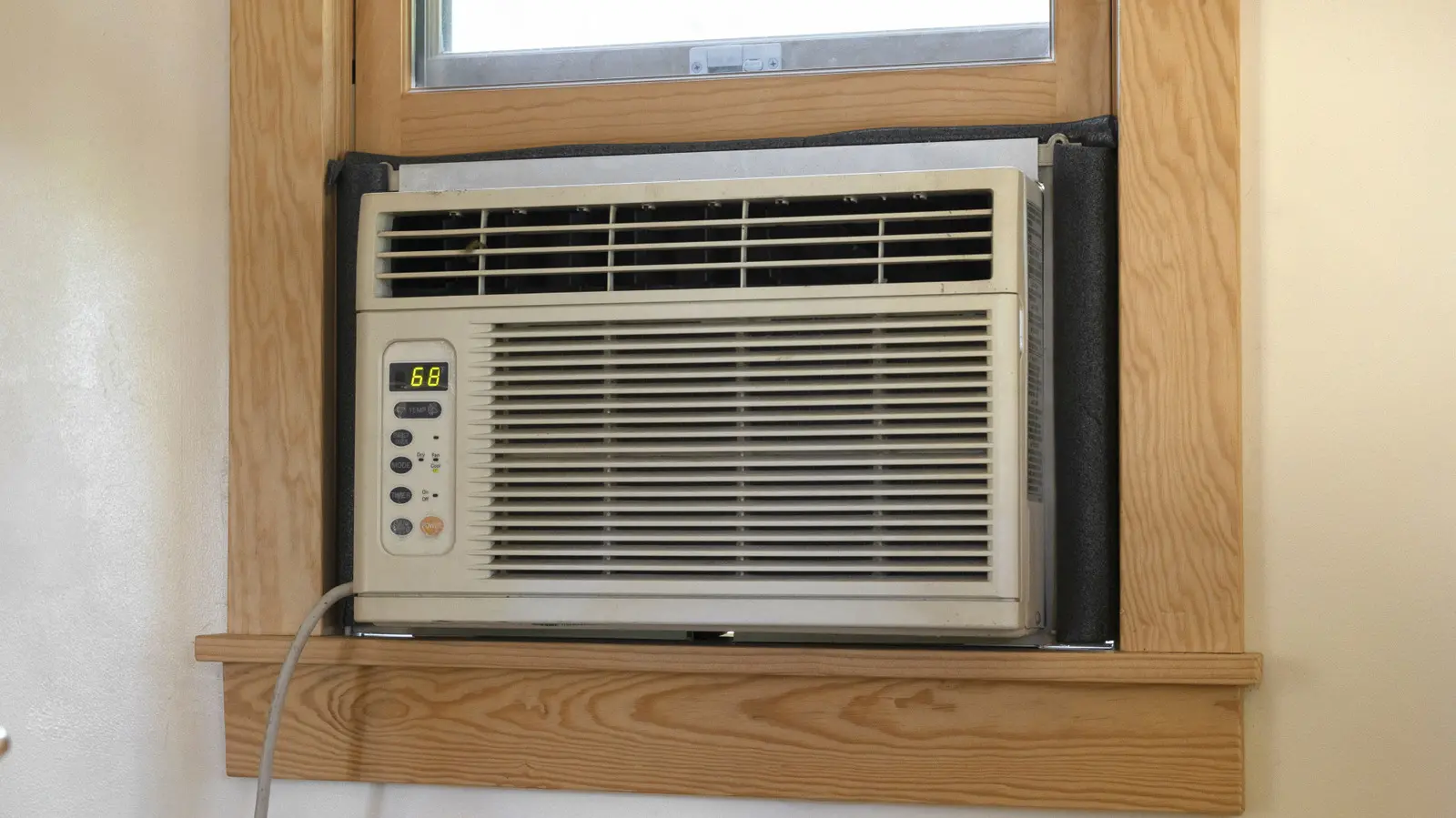
During the sweltering summer months, air conditioners of all kinds can turn indoor spaces from near-uninhabitable to entirely livable. With that said, this isn't a perfect form of technology, as air conditioners have a bevy of common problems all users should be aware of. At the same time, there are some seemingly possible issues, like air conditioners releasing potentially deadly carbon monoxide indoors, that aren't actually issues at all. An air conditioner isn't going to be the culprit behind anyone's carbon monoxide poisoning, and it comes down to how the gas is formed and how these essential summertime appliances function.
Carbon monoxide is only created as a byproduct of the incomplete burning of fuels, such as when running a generator, burning wood or coal, or using a gas or kerosene heater without ample ventilation. In an air conditioner, no such action takes place. The basics of air conditioning come down to air movement. These appliances take the warm air from an indoor space and pull it out, passing it over coils filled with refrigerant. The refrigerant cools the air, which is then pushed back into the room, lowering the temperature. This system relies entirely on electricity, so carbon monoxide poisoning is not a typical concern. Unless faulty gas appliances introduce carbon monoxide into the ductwork, which then enters the air the AC is cooling, it won't be a problem.
While carbon monoxide poisoning is not possible from an air conditioner, other health problems are. These appliances can push undesirable materials into your living space with serious consequences. For instance, air conditioners can become breeding grounds for fungi, mold, and bacteria if not properly maintained. When these microorganisms accumulate, the AC can spread them throughout the room, leading to allergic reactions or even respiratory infections. In office buildings, this issue is more pronounced due to larger systems and higher occupancy, but residential homes are not immune. The moisture that condenses on the coils provides an ideal environment for microbial growth, especially if the drip pan or drainage system is clogged or dirty.
Beyond biological contaminants, air conditioners also dry out the air. This drying effect can adversely affect the respiratory system. Dry air causes the throat and nasal passages to become dry, leading to irritation and inflammation. More critically, the loss of protective mucus in the nasal passages makes it easier for bacteria and viruses to enter the body and cause illness. People with asthma or other respiratory conditions may find their symptoms worsen in air-conditioned environments. These health impacts underscore the importance of proactive maintenance and humidity control.
To keep an air conditioner running with minimal health risk, proper cleaning is essential. For window units, this means removing and cleaning the front cover with soap and water, clearing or replacing the filter, and wiping debris from the condenser coils. After spraying the coils with soapy water, allow everything to dry completely before reassembling. A dirty filter not only reduces efficiency but also recirculates dust and allergens. For central air systems, cleaning the outdoor unit requires turning off the power at the breaker, removing debris like leaves and wood chips, and applying a coil cleaner to the fins. Let it sit for about 10 minutes, then rinse with a garden hose—avoid high pressure that could damage the fins. If you're not comfortable performing these tasks, a qualified HVAC technician can handle them.
In addition to regular cleaning, consider using a dehumidifier to manage indoor humidity levels, and ensure that the AC's drainage system is clear to prevent water buildup. Changing filters every one to three months during peak usage seasons improves air quality and system longevity. Some modern units come with UV lights or antimicrobial coatings to inhibit mold growth, but these are not substitutes for routine maintenance. By understanding the true health risks associated with air conditioners—namely biological pollutants and dry air—homeowners can take appropriate steps to enjoy cool comfort without compromising their well-being.
Source:SlashGear News